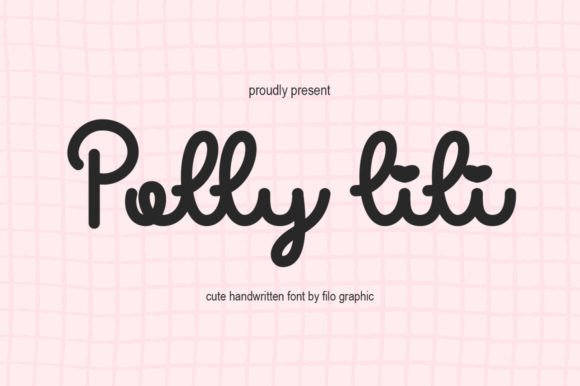
Poly Lili: A Sweet Handwritten Font
Poly Lili is a charming handwritten font that brings a personal and expressive touch to editorial design. Its natural flow and friendly character make it ideal for a wide range of publishing needs, from blog headers to printable guides. As a script handwritten font, Poly Lili adds a unique visual personality that can elevate any project.
The font’s soft curves and subtle variations give it a handcrafted feel, making it perfect for content that requires warmth and approachability. Whether you're designing a lifestyle blog, a recipe ebook, or a wedding guide, Poly Lili offers a versatile style that complements both digital and print formats. Its PUA encoding ensures easy access to special characters and ligatures, enhancing its usability across different projects.
Using Poly Lili in Editorial Design
In editorial design, typography plays a key role in shaping the reader experience. Poly Lili excels as a display font, offering a visually engaging option for headings, subheadings, and graphic elements. Its handwritten style adds a human touch that can make content more relatable and memorable.
For blog headers, Poly Lili can draw attention while maintaining a clean and readable appearance. In magazine covers, it can serve as a focal point that captures the essence of the publication. Ebook titles and newsletter graphics benefit from its friendly aesthetic, helping to establish a brand identity that feels authentic and inviting.
When used in quote layouts or section headings, Poly Lili adds a sense of rhythm and visual interest. It works well for chapter openers, pull quotes, and accent typography, providing a balance between creativity and clarity. Its versatility allows it to stand out without overwhelming the overall design.
Practical Applications for Content Creators
Content creators can use Poly Lili in various ways to enhance their work. For a lifestyle blog, it can be used for post titles, social media graphics, and promotional banners. In a recipe ebook, it adds a personal flair to dish names and instructions, making the content feel more curated and thoughtful.
A wedding guide might use Poly Lili for section headings, invitations, and decorative elements, reinforcing the event's romantic and personalized theme. Coaching workbooks and printable planners can benefit from its warm, handwritten look, making them feel more engaging and interactive.
For digital magazines and newsletters, Poly Lili can be used in headlines, feature boxes, and callout sections. Its readability on screens and in print makes it a reliable choice for both online and offline publications. When paired with a serif or sans serif font, it creates a balanced and professional layout that supports readability without sacrificing style.
Readability and Visual Hierarchy
While Poly Lili is best suited for short text elements, it can still contribute to effective visual hierarchy when used thoughtfully. Its natural flow helps guide the reader’s eye through a page, drawing attention to key points without disrupting the overall structure.
On mobile devices and desktop screens, the font maintains a clear and legible appearance, ensuring that readers can engage with content easily. When exported to PDF or printed, its strokes remain crisp and consistent, preserving the intended visual tone.
For longer reading, it’s recommended to pair Poly Lili with a more traditional typeface. This combination allows the handwritten font to shine as an accent while keeping body text accessible and comfortable to read.
Font Pairing and Brand Identity
Effective font pairing enhances the overall design and reinforces brand identity. Poly Lili pairs well with serif fonts for a classic and elegant look, or with sans serif fonts for a modern and clean aesthetic. This flexibility makes it a valuable addition to any designer’s toolkit.
When creating a brand, using Poly Lili consistently across different materials helps build recognition and trust. Whether it’s for logo design, packaging, or web design, the font contributes to a cohesive and memorable visual language.
Designers should also consider multilingual support when using Poly Lili, especially if their audience spans multiple regions. The font’s PUA encoding ensures that special characters and diacritics are available, supporting a wider range of languages and scripts.
Commercial Licensing and Usage
Understanding commercial licensing is essential for content creators who plan to use Poly Lili in paid projects. The font is suitable for ebooks, templates, printables, paid newsletters, client publications, and digital downloads, provided that the appropriate license is obtained.
For independent content brands and digital product creators, Poly Lili offers a premium font option that adds value to their offerings. Its unique style can help differentiate a product in a competitive market, making it a worthwhile investment for those focused on quality and originality.
As a script handwritten font, Poly Lili brings a creative and expressive element to editorial design. Its ability to blend style with functionality makes it a powerful tool for publishers, bloggers, and designers looking to enhance their content with a personal and engaging touch.